Archives
- 2026-04
- 2026-03
- 2026-02
- 2026-01
- 2025-12
- 2025-11
- 2025-10
- 2025-09
- 2025-03
- 2025-02
- 2025-01
- 2024-12
- 2024-11
- 2024-10
- 2024-09
- 2024-08
- 2024-07
- 2024-06
- 2024-05
- 2024-04
- 2024-03
- 2024-02
- 2024-01
- 2023-12
- 2023-11
- 2023-10
- 2023-09
- 2023-08
- 2023-07
- 2023-05
- 2023-04
- 2023-03
- 2023-02
- 2023-01
- 2022-12
- 2022-11
- 2022-10
- 2022-09
- 2022-08
- 2022-07
- 2022-06
- 2022-05
- 2022-04
- 2022-03
- 2022-02
- 2022-01
- 2021-12
- 2021-11
- 2021-10
- 2021-09
- 2021-08
- 2021-07
- 2021-06
- 2021-05
- 2021-04
- 2021-03
- 2021-02
- 2021-01
- 2020-12
- 2020-11
- 2020-10
- 2020-09
- 2020-08
- 2020-07
- 2020-06
- 2020-05
- 2020-04
- 2020-03
- 2020-02
- 2020-01
- 2019-12
- 2019-11
- 2019-10
- 2019-09
- 2019-08
- 2019-07
- 2019-06
- 2019-05
- 2019-04
- 2018-11
- 2018-10
- 2018-07
-
Initially the E uses ATP to activate
2019-08-01
Initially, the E1 uses ATP to activate the C-terminal glycine residue of ubiquitin prior to ligation. In the first step of E1 activation, the E1 catalyzes the adenylation of ubiquitin and pyrophosphate (PPi) release. In the second step, the E1 releases adenosine monophosphate (AMP) and a thioester b
-
N acetylation by N acetyltransferase NAT
2019-08-01
N-acetylation by N-acetyltransferase (NAT) is an important metabolic pathway for some substances, and there are 2 functional NAT isoforms in humans—NAT1 and NAT2. Studies of etamicastat in healthy subjects showed an extensive N-acetylation of etamicastat to the inactive metabolite BIA 5-961, and a l
-
br Expression of DNMTs during testicular development In most
2019-08-01
Expression of DNMTs during testicular development In most multicellular organisms, male and female germ cells are the origin of development of an organism, and they provide inheritance of genetic and epigenetic information across the generations. Primordial germ cells (PGCs) derive from a subset
-
In the present study we investigated the effect of
2019-07-31
In the present study we investigated the effect of morphine withdrawal on G-protein coupling to opioid and ET receptors in neonatal rats. Morphine-induced G-protein activation was significantly higher in neonatal rats undergoing morphine withdrawal; suggesting enhanced coupling of the receptors to G
-
MSCs are self renewing multipotent progenitor cells
2019-07-31
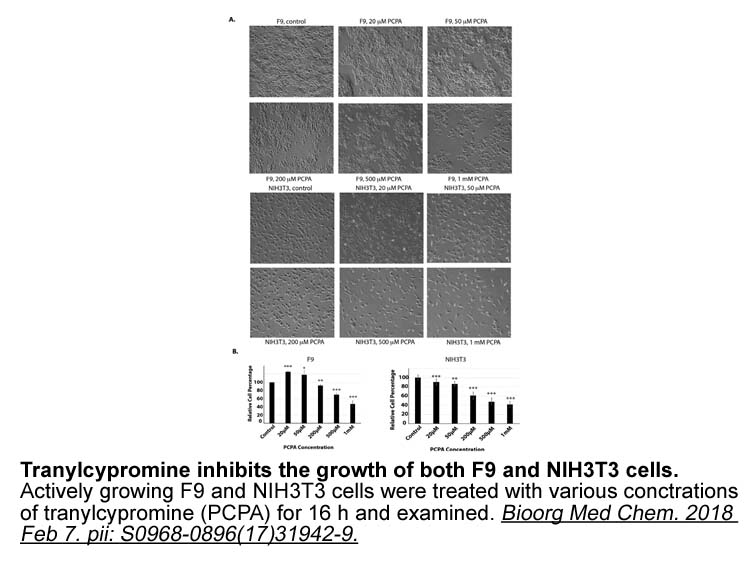
MSCs are self-renewing, multipotent progenitor cells, with multilineage potential to differentiate into adipocytes, osteocytes, and chondrocytes. In addition, MSCs can migrate to sites of inflammation, supporting hematopoiesis and homeostatic maintenance. Given their unique therapeutic properties, M
-
Herein we designed a strategy utilizing the target protectio
2019-07-31

Herein, we designed a strategy utilizing the target-protection method to produce a signal in a system involving fluorescence CuNPs stabilized by dumbbell template DNA (DT DNA) through a locked circle consisting of two poly T loops and a poly (ATTA) stem. In the presence of MTase, DT DNA was modified
-
Inhibition of DHODH is reflected by
2019-07-31
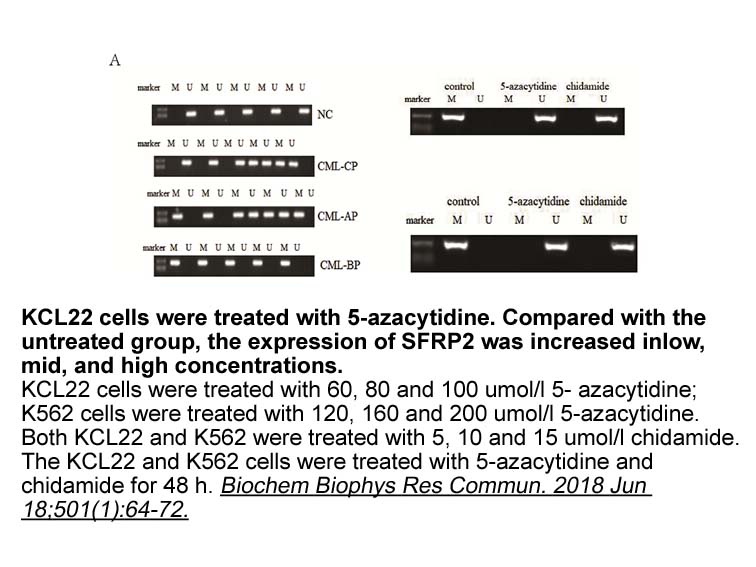
Inhibition of DHODH is reflected by an antiproliferative effect on peripheral blood mononuclear ach receptors (PBMCs), which can be measured by the inhibitory effect on their phytohemagglutinin (PHA) stimulated growth. The test was performed as described in the reference. Data for few selected comp
-
The efficacy of A in the ob ob mouse model
2019-07-31

The efficacy of A-922500 in the ob/ob mouse model is of particular interest for two reasons. One of the most striking features of the DGAT-1 deficient mouse phenotype is the resistance to diet-induced obesity (Smith et al., 2000). However, Minocycline HCl of DGAT-1 in leptin deficient ob/ob mice fai
-
Immunofluorescence Cells were fixed with paraformaldehyde PF
2019-07-31
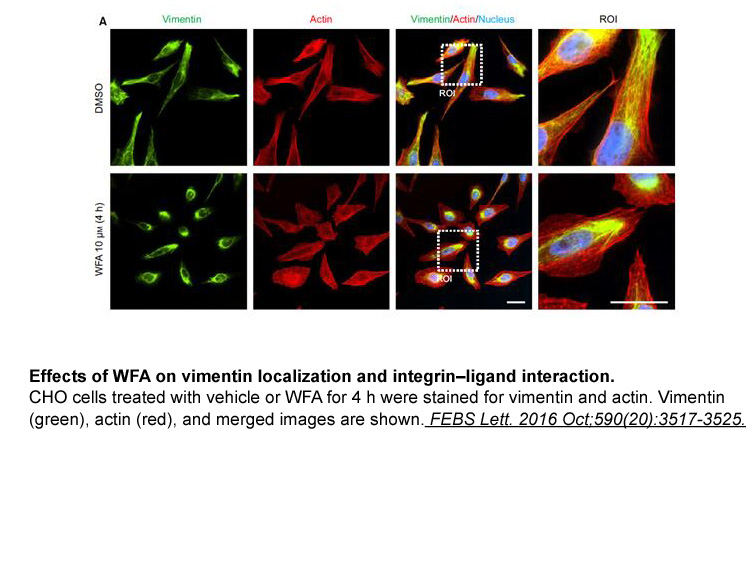
Immunofluorescence. Cells were fixed with 4% paraformaldehyde (PFA) in PBS and extracted by 0.5% Triton X-100-PBS, or fixed in cold methanol. The cells were immunostained with mouse monoclonal HAT Inhibitor II against α-tubulin (Sigma), γ-tubulin (Sigma), Ran (Upstate), rabbit polyclonal antibodies
-
The small molecule d mannuronic acid M
2019-07-31
The small molecule β-d-mannuronic carboxypeptidase (M2000), patented (DE-102016113018.4), has been tested as an anti-inflammatory and a novel immunosuppressive agent in various experimental models such as animal models of immune complex glomerulonephritis, nephrotic syndrome, multiple sclerosis and
-
Our module is designed to allow
2019-07-30

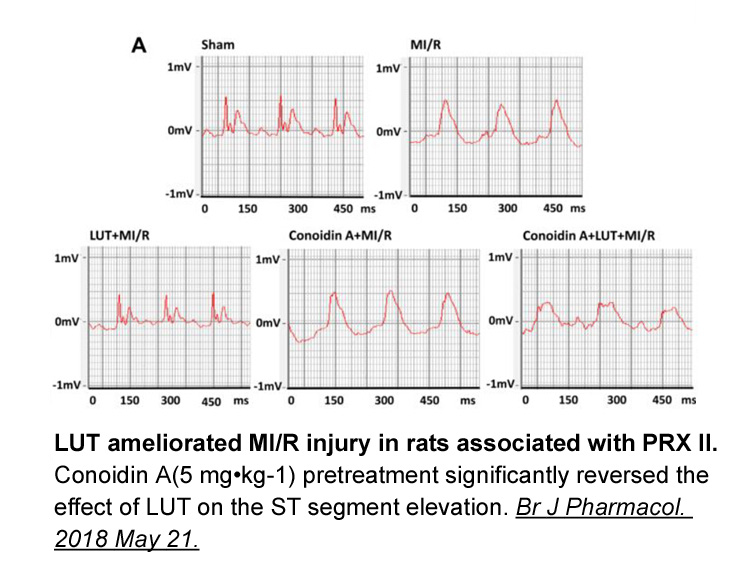
Our module is designed to allow in-process measurement of [C]-tracer molar activity (MA, GBq/μmol at EOB) using a Conoidin A solubility detector with a UV detector at the outlet of the HPLC-portion of the system. In the HPLC chromatogram, peak analysis of the chromatographic data utilized PeakSimpl
-
Upon further evaluation of the phage obtained from phage dis
2019-07-30
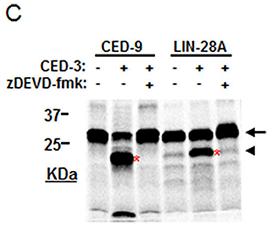
Upon further evaluation of the phage obtained from phage display, we compared the capture of each of the 4th round phage to a phage possessing the wild-type arylsulfatase A sequence (LCTPSR) using ELISA. Each phage was equivalently exposed to FGE and to the beads for capture; however, we found that
-
A study profiling chemokine expression in LCLs revealed high
2019-07-30
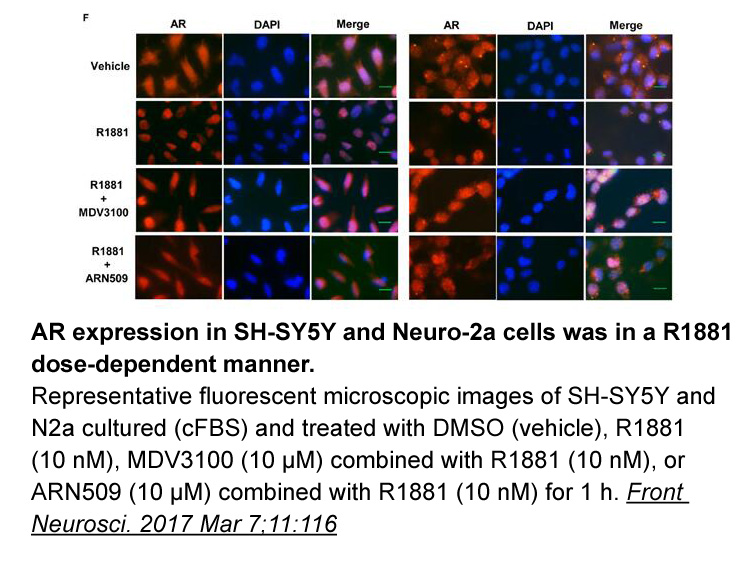
A study profiling chemokine expression in LCLs revealed high expression levels of CCR6, CCR7, and CCR10 and low expression of CXCR4 and CXCR5 in EBV immortalized cells. Accordingly, LCLs showed a markedly increase in migration in response to the ligands of CCR6 (CCL20), CC7 (CCL21), and CCR10 (CCL28
-
Despite the weak and transient nature of E E
2019-07-30
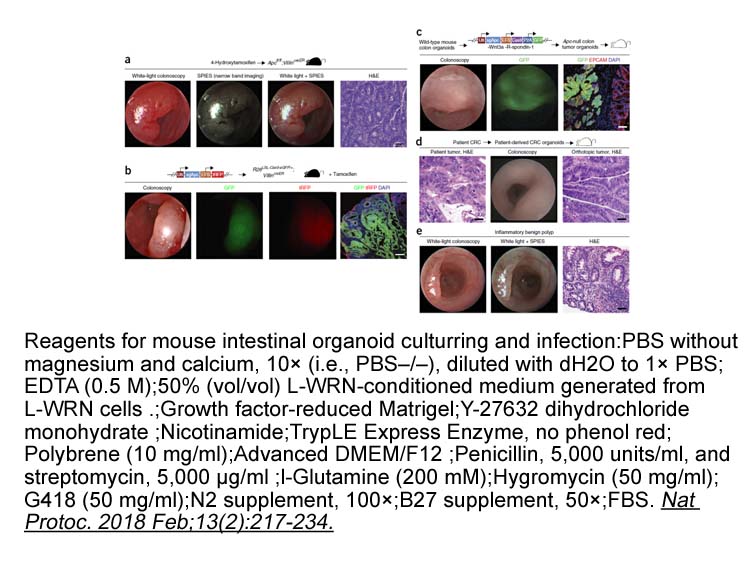
Despite the weak and transient nature of E2–E3 interactions, this binding is required for the transfer of ubiquitin to the substrate. The low affinity characteristics of this interaction may be due to the fact that E2s use the same surface to interact with E1s and E3s, and hence while binding to an
-
br Multi subunit RINGs There are RING type
2019-07-30
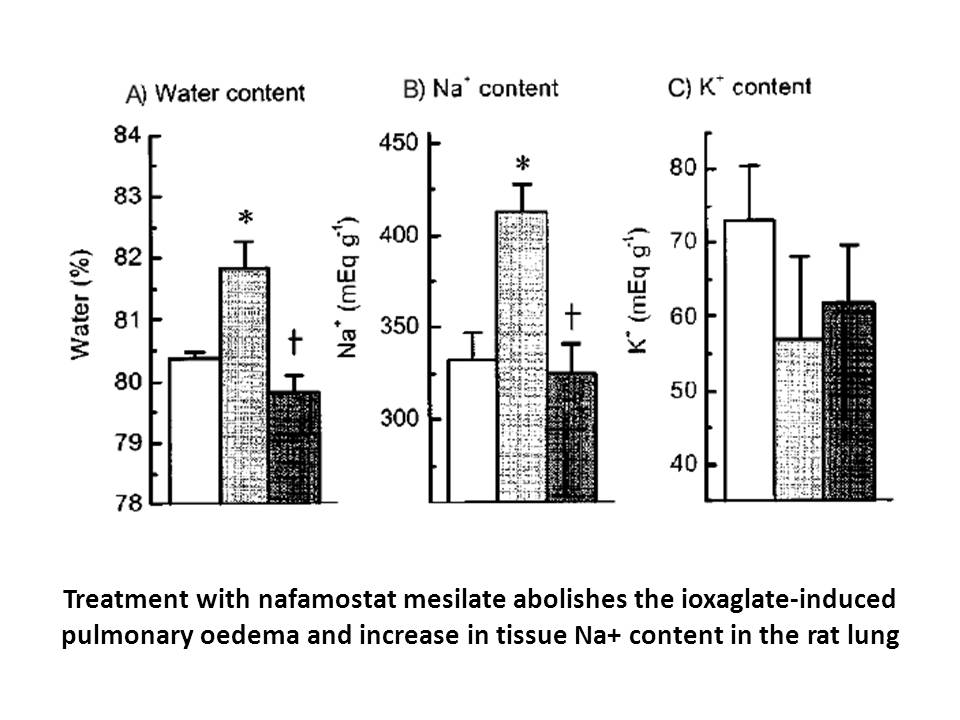
Multi-subunit RINGs There are RING-type E3s that exist as multi-subunit assemblies (see Fig. 3B). A striking example is the Cullin RING Ligase (CRL) superfamily [35], which exhibits enormous plasticity in substrate specificity. Each CRL subfamily is characterized by a cullin protein (Cul-1, 2, 3,
15585 records 960/1039 page Previous Next First page 上5页 956957958959960 下5页 Last page