Archives
- 2026-07
- 2026-06
- 2026-05
- 2026-04
- 2026-03
- 2026-02
- 2026-01
- 2025-12
- 2025-11
- 2025-10
- 2025-09
- 2025-03
- 2025-02
- 2025-01
- 2024-12
- 2024-11
- 2024-10
- 2024-09
- 2024-08
- 2024-07
- 2024-06
- 2024-05
- 2024-04
- 2024-03
- 2024-02
- 2024-01
- 2023-12
- 2023-11
- 2023-10
- 2023-09
- 2023-08
- 2023-07
- 2023-05
- 2023-04
- 2023-03
- 2023-02
- 2023-01
- 2022-12
- 2022-11
- 2022-10
- 2022-09
- 2022-08
- 2022-07
- 2022-06
- 2022-05
- 2022-04
- 2022-03
- 2022-02
- 2022-01
- 2021-12
- 2021-11
- 2021-10
- 2021-09
- 2021-08
- 2021-07
- 2021-06
- 2021-05
- 2021-04
- 2021-03
- 2021-02
- 2021-01
- 2020-12
- 2020-11
- 2020-10
- 2020-09
- 2020-08
- 2020-07
- 2020-06
- 2020-05
- 2020-04
- 2020-03
- 2020-02
- 2020-01
- 2019-12
- 2019-11
- 2019-10
- 2019-09
- 2019-08
- 2019-07
- 2019-06
- 2019-05
- 2019-04
- 2018-11
- 2018-10
- 2018-07
-
The present study showed evidence
2020-06-18
The present study showed evidence that the AT1 and the ETA receptors were not expressed near or on the plasma membrane as monomers, but also as possibly constitutive dimers and tetramers. For both receptors, the proportion of monomers, dimers and tetramers were unaffected by their respective agonist
-
Our previous high throughput screening HTS campaign using au
2020-06-17
Our previous high-throughput screening (HTS) campaign using automated, robust, and sensitive fluorescence based E3330 assay [10], [11] led to the identification of several EPAC specific inhibitors (ESIs), and was subsequently followed by extensive hit-to-lead optimizations [20], [21], [22], [23], [
-
Importantly in genetic studies Saccharomyces
2020-06-17
Importantly, in genetic studies, Saccharomyces cerevisiae Pif1, a member of the SF1 family of helicases, has been implicated in BIR in conjunction with Pol δ (Chung et al., 2010, Saini et al., 2013, Wilson et al., 2013). Using highly purified S. cerevisiae proteins, a system that permits dissection
-
Taking a pragmatic approach with a view to complete the
2020-06-17
Taking a pragmatic approach with a view to complete the study and because chemotherapy regimens in NETs are not standardized, we do not impose a specific regimen in both arms. However, one regimen in each arm is recommended in order to reduce heterogeneity: the ALKY-based chemotherapy arm will recei
-
Leukotrienes themselves are implicated in the development of
2020-06-17
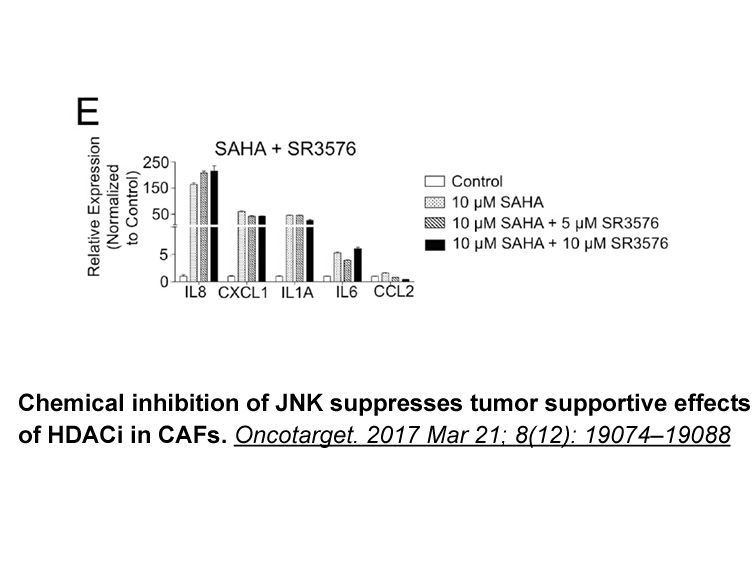
Leukotrienes themselves are implicated in the development of gastrointestinal ulcers, asthmas, and different inflammatory processes [18], [19]. It is noteworthy that COX isozymes and LOX share the same substrate arachidonic acid; therefore, inhibition of prostaglandins production by cyclooxygenase p
-
The use of recombinant ER and ER
2020-06-17
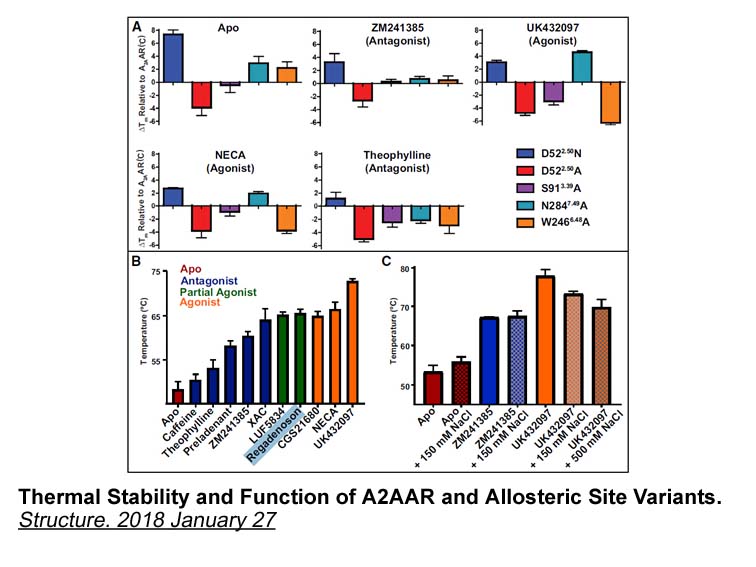
The use of recombinant ERα and ERβ binding assays offers a relatively inexpensive, rapid technique for screening compounds for potential direct dub inhibitor receptor modulatory activity and understanding the mechanisms of existing herbal medicines. For background on the protein production system u
-
Multiple protein species are known to naturally
2020-06-17
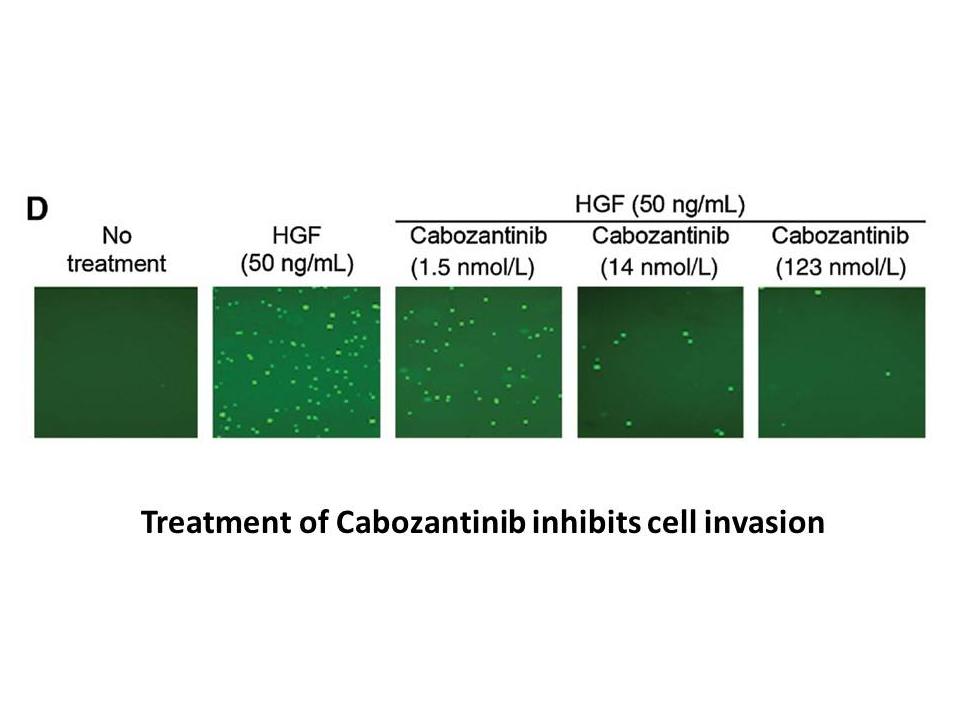
Multiple protein species are known to naturally exist for the transmembrane receptors DDR1 and DDR2. Five splice variants have been characterized for DDR1 (“a” through “e”). The d and e isoforms lack the intracellular kinase domain of DDR1. The splicing of DDR1 to various extents has been reported i
-
In this study we investigated the role
2020-06-17
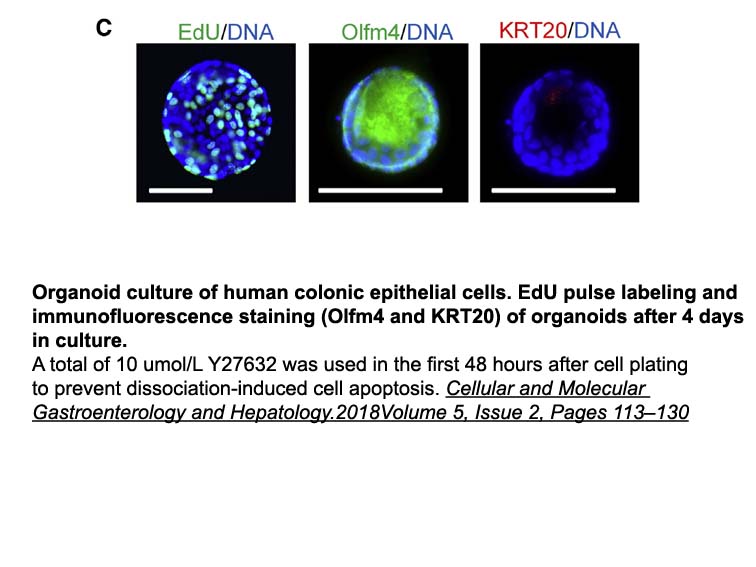
In this study we investigated the role 17-phenyl tinor (pt)-PGE2 on endothelial barrier function and the underlying molecular mechanism in HMVEC-Ls as well as in a murine model of LPS-induced acute pulmonary inflammation. We found that 17-pt-PGE2 concentration-dependently enhanced endothelial barrie
-
lumacaftor In Fig results of this experiment
2020-06-17
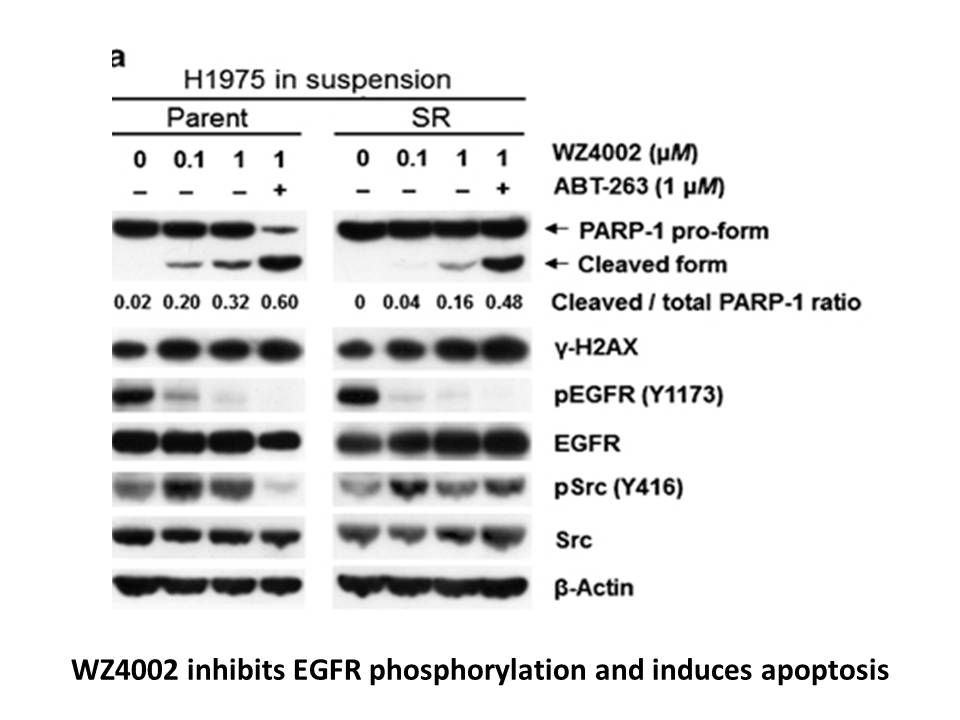
In Fig. 1 results of this experiment are shown as the contour plots of endopeptidase activity. Optimal for the enzyme production by this strain concentrations of peptone and inorganic phosphate were found to be 24 and 0.3g/l, respectively. For specific activity, the optima close to those for glutamy
-
br Roles of DDR in epithelial
2020-06-17
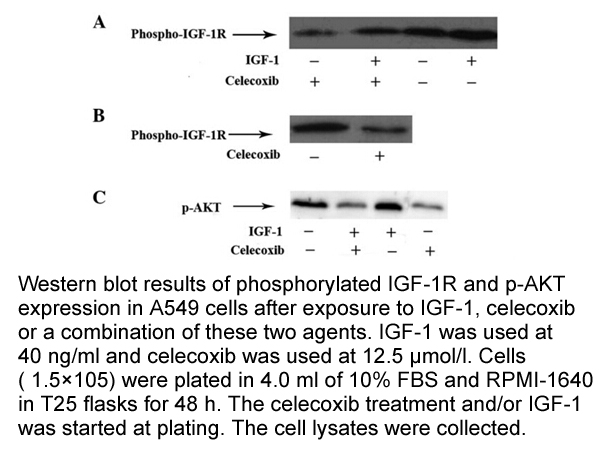
Roles of DDR1 in epithelial cell differentiation Roles of DDR1 in cell migration, and invasion Dichotomous functions of DDR1 in disease progression Conclusions and perspectives The switch in BMS777607 from DDR1 to DDR2 during EMT is another important issue. The DDRs may exert distinct o
-
br Expression and Tissue Functions
2020-06-17
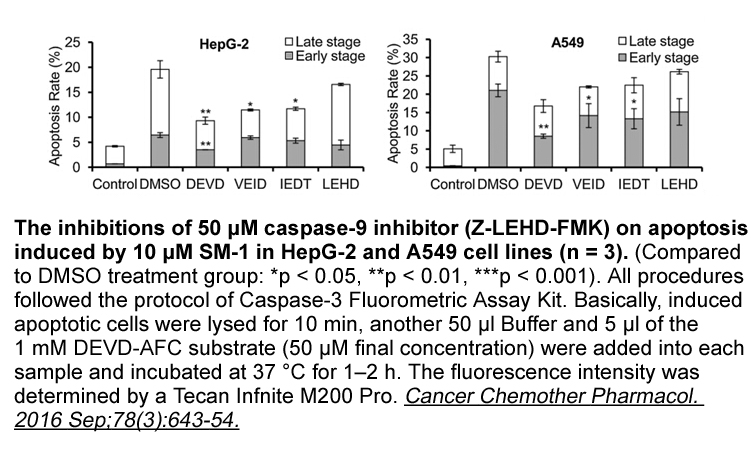
Expression and Tissue Functions of DDRs The DDRs are widely expressed in different tissues, both during development and in adult organisms. DDR1 mRNA is found in many tissues in mice and humans, with high levels in brain, lung, kidney, spleen, and placenta (Di Marco et al., 1993, Johnson et al.,
-
Modulating protein stability specifically inhibiting ubiquit
2020-06-17
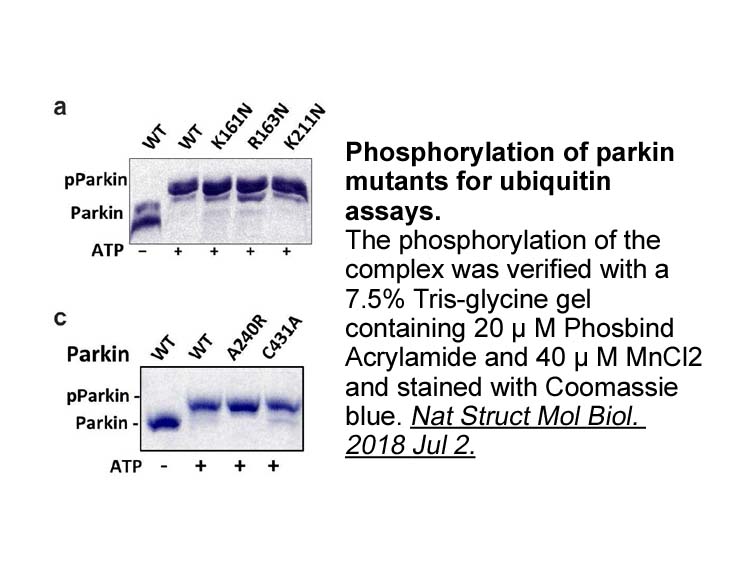
Modulating protein stability, specifically inhibiting ubiquitin E3 ligases, provides potential advantages over other druggable targets given the presence of biochemically multiple, unique pharmacophores within complexes that can bind a variety of small molecules [12]. The FBXO3 inhibitors used here
-
S63845 Based on the SUMO SIM interaction involved in SUMOD
2020-06-17
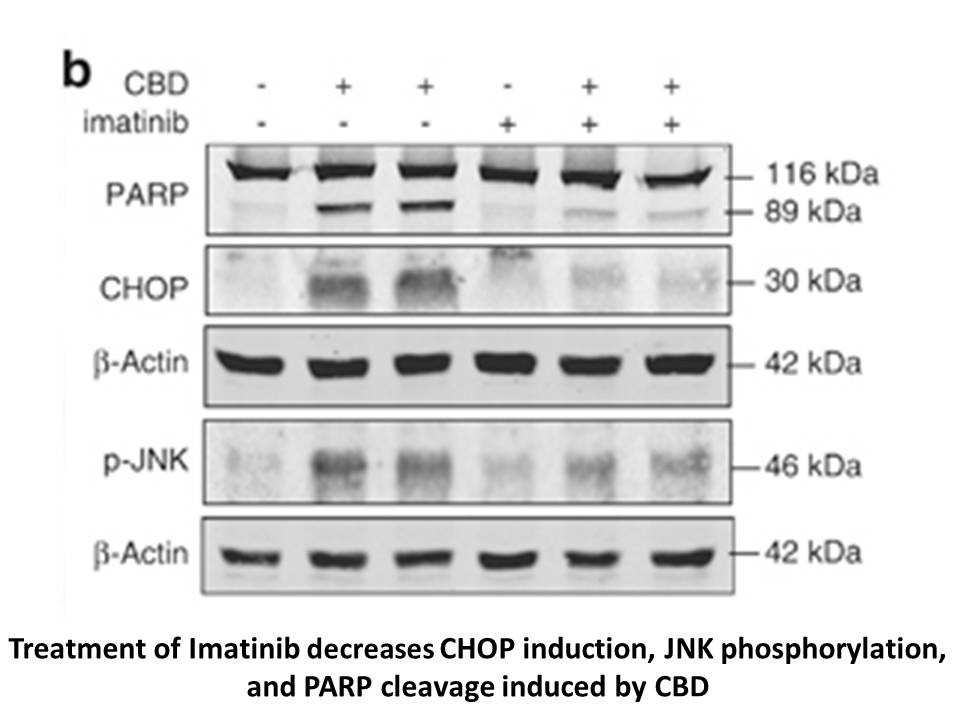
Based on the SUMO–SIM interaction involved in SUMOD positioning, a SUMO2ΔSBD (SIM-binding domain; Q30A, F31A, I33A) mutant can be investigated that disrupts this important binding interface (Eisenhardt et al., 2015; Meulmeester, Kunze, Hsiao, Urlaub, & Melchior, 2008). In Fig. 4A, multiturnover assa
-
Contrary to the profuse dopaminergic innervation of
2020-06-17
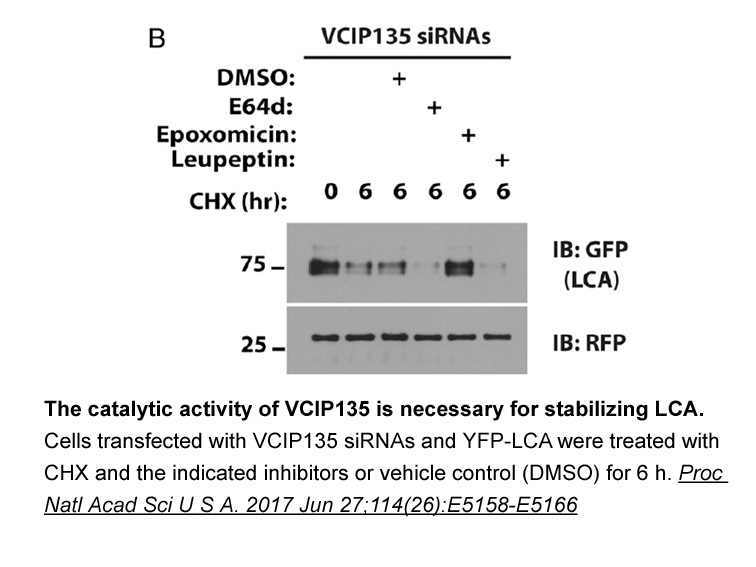
Contrary to the profuse dopaminergic innervation of the thalamus found in human and non-human primates (Brown et al., 1979, Sanchez-Gonzalez et al., 2005), in rodents, the RTn is one the few thalamic nuclei that receives dopaminergic input (Anaya-Martinez et al., 2006, Garcia-Cabezas et al., 2007, G
-
Third we also found negative
2020-06-16
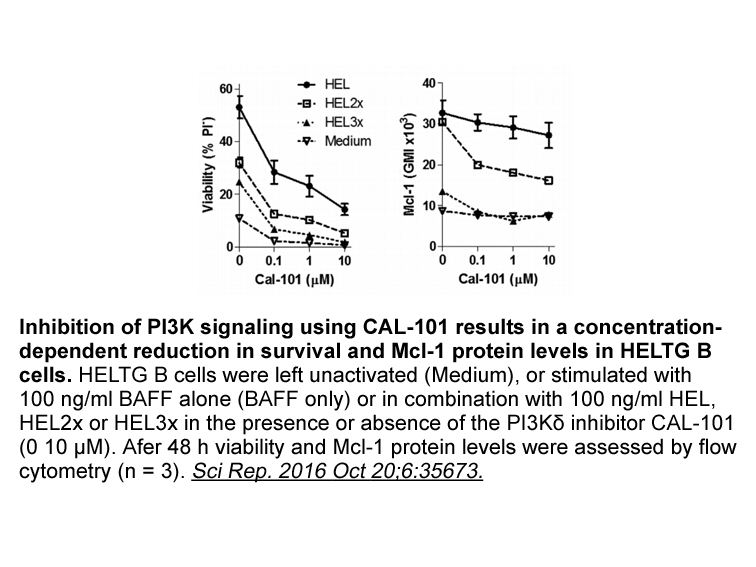
Third, we also found negative correlations between TREM2 mRNA expression and the methylation rate of 4 CpG sites in the intron 1 of TREM2. Gene methylation rates are generally associated with gene expression. Thus, heavily methylated areas of genes are usually less active at the transcriptional leve
15756 records 798/1051 page Previous Next First page 上5页 796797798799800 下5页 Last page