Archives
- 2026-10
- 2026-09
- 2026-08
- 2026-07
- 2026-06
- 2026-05
- 2026-04
- 2026-03
- 2026-02
- 2026-01
- 2025-12
- 2025-11
- 2025-10
- 2025-09
- 2025-03
- 2025-02
- 2025-01
- 2024-12
- 2024-11
- 2024-10
- 2024-09
- 2024-08
- 2024-07
- 2024-06
- 2024-05
- 2024-04
- 2024-03
- 2024-02
- 2024-01
- 2023-12
- 2023-11
- 2023-10
- 2023-09
- 2023-08
- 2023-07
- 2023-05
- 2023-04
- 2023-03
- 2023-02
- 2023-01
- 2022-12
- 2022-11
- 2022-10
- 2022-09
- 2022-08
- 2022-07
- 2022-06
- 2022-05
- 2022-04
- 2022-03
- 2022-02
- 2022-01
-
Numerous studies have shown that PUFA incorporation into
2024-08-31
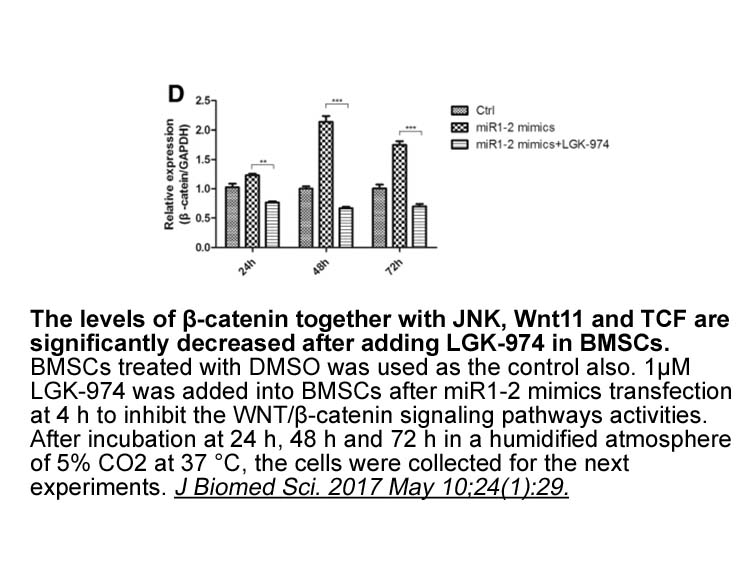
Numerous studies have shown that ω-3 PUFA incorporation into the lipid raft can affect the distribution and function of protein in the lipid raft by altering raft composition [25], [26], [27]. For example, DHA treatment excluded phospholipase D (PLD) from lipid raft toward non-lipid raft, resulting
-
Since pyrrolopyrimidine dithiolanes and both displayed parti
2024-08-31
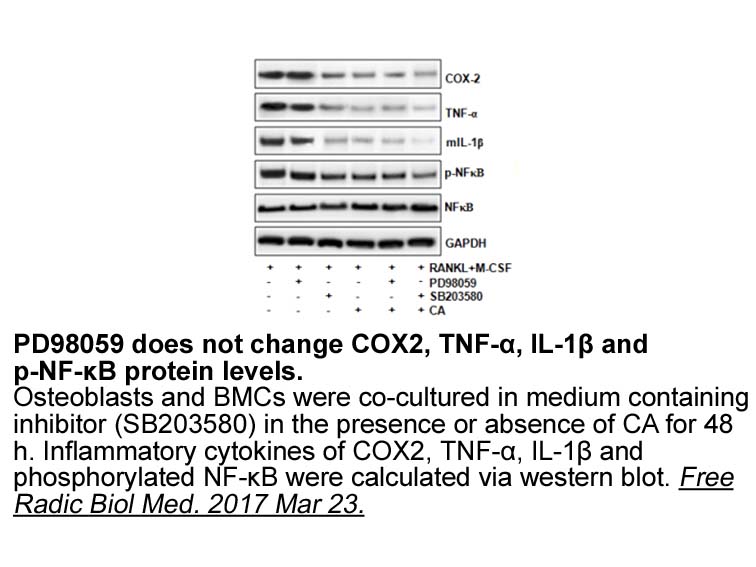
Since pyrrolopyrimidine dithiolanes and both displayed particularly excellent levels of ACK1 inhibition, these analogs were viewed as potential candidates for further investigation in tumor xenograft experiments. While in vitro metabolic studies indicated that pyrrolidine was predicted to be sign
-
The total IgG concentration decreased from a mean
2024-08-31
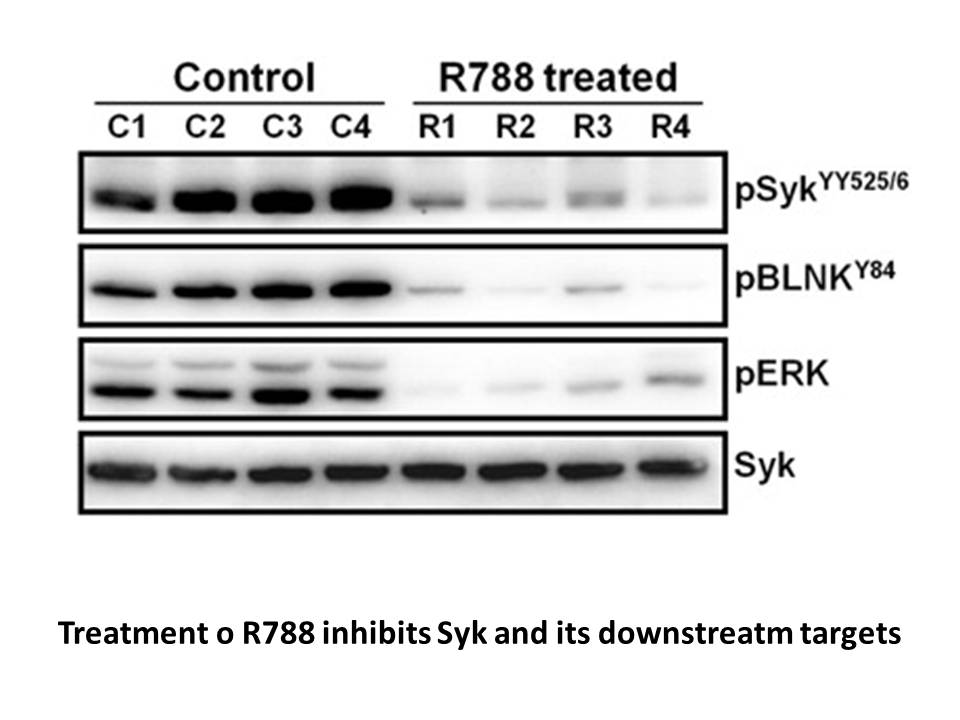
The total IgG concentration decreased from a mean of 997 mg/100 ml before treatment to a mean of 696 after treatment in the MuSK+MG patients, and from a mean of 1736 mg/100 ml to a mean of 802 mg/100 ml in the AChR+MG patients (normal values 723–1685 mg/100 ml). This decrement was also statistically
-
In the present study the alternative splicing
2024-08-31
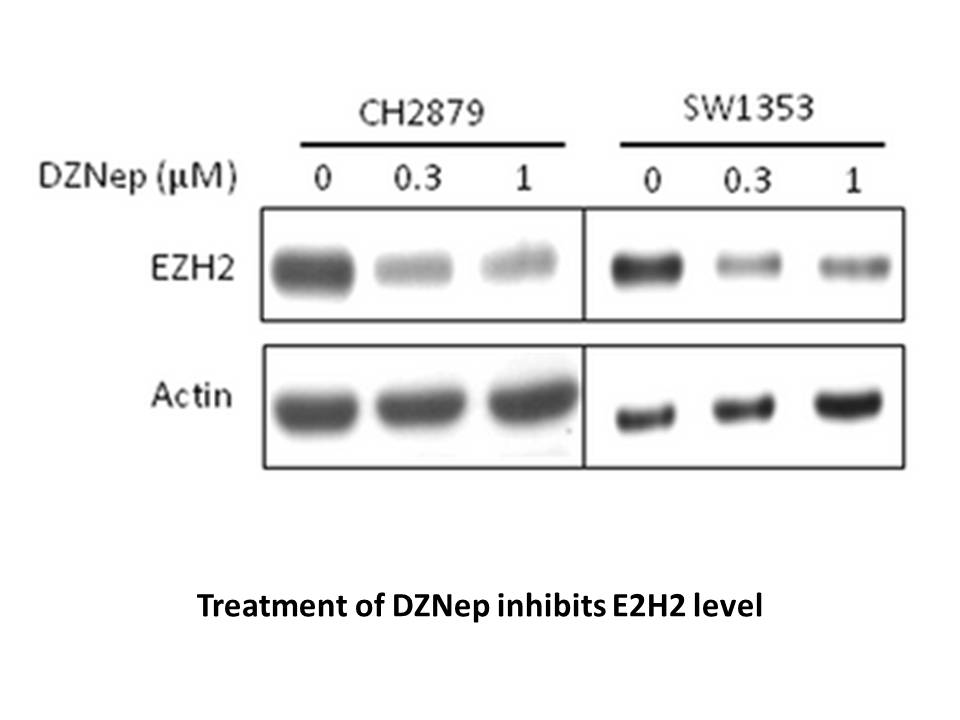
In the present study, the alternative splicing of several nAChR subunits was identified in the oriental migratory locust (Locusta migratoria manilensis Meyen), a serious worldwide pest to agricultural production and also a model insect species [5]. Several α subunits were tried to co-express with ra
-
The indirect effect of corporate taxation
2024-08-31

The indirect effect of corporate taxation, as given by the second term in Eq. (18), consists of two elements; (i) a standard lactacystin sale effect (τ/n2), and (ii) a capital cost effect (rG(1−αt)/(1−t)). With a CRS technology, the cost effect vanishes, whereas with an IRS (a DRS) technology the co
-
Our sample is representative of mRCC treated with sunitinib
2024-08-31
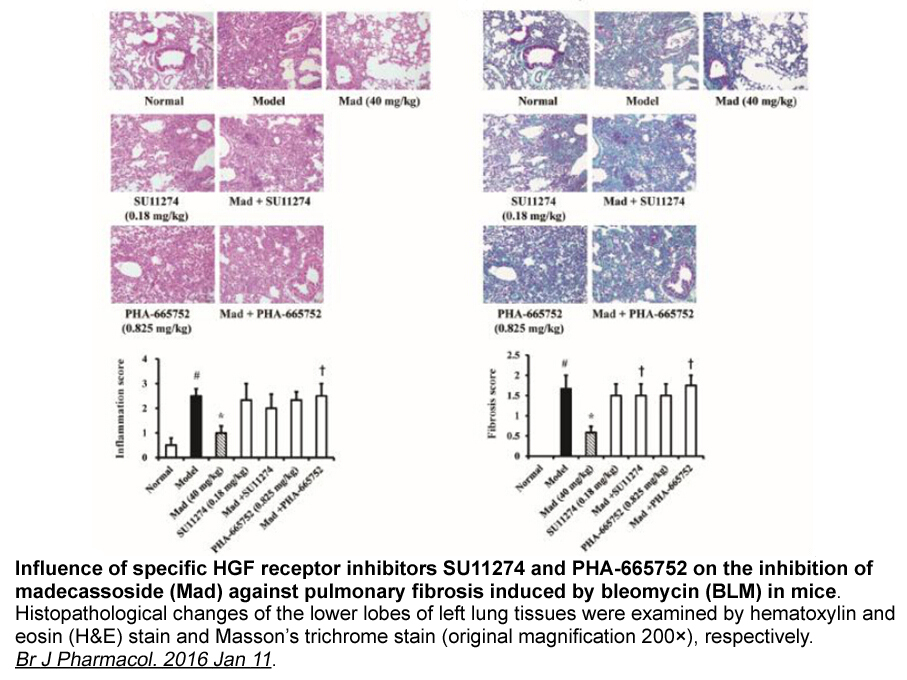
Our sample is representative of mRCC treated with sunitinib. However, the results from CCC setting have limited inference due to small exploratory sample (n = 51). Additionally, the significance of survival differences in CCC according to AXL staining is tangential. Unfortunately, we were unable to
-
Despite the growing knowledge surrounding
2024-08-31
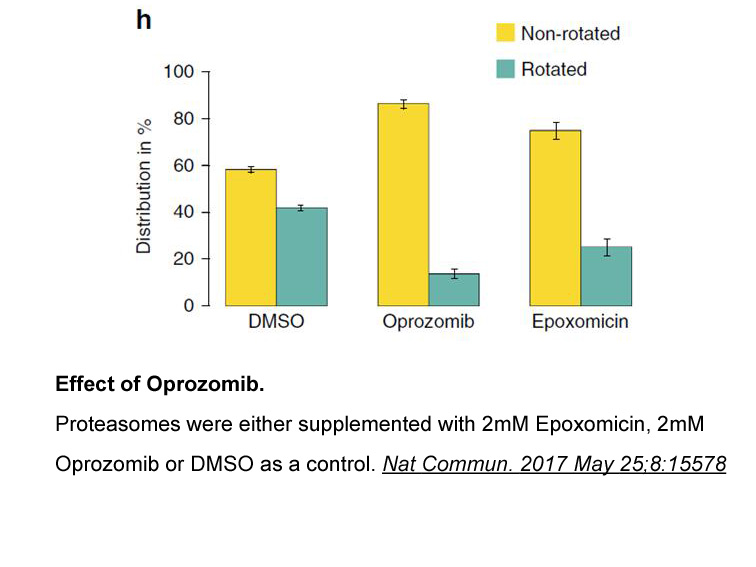
Despite the growing knowledge surrounding the link between ATX and cholestatic pruritus in PBC, it remains unclear if the role of the ATX-LPA signaling axis includes lymphocytes homing in the liver of PBC, and if the resulting inflammation is associated with PBC pruritus (Fig. 3). PBC is characteriz
-
The identification of novel kinase inhibitor
2024-08-31
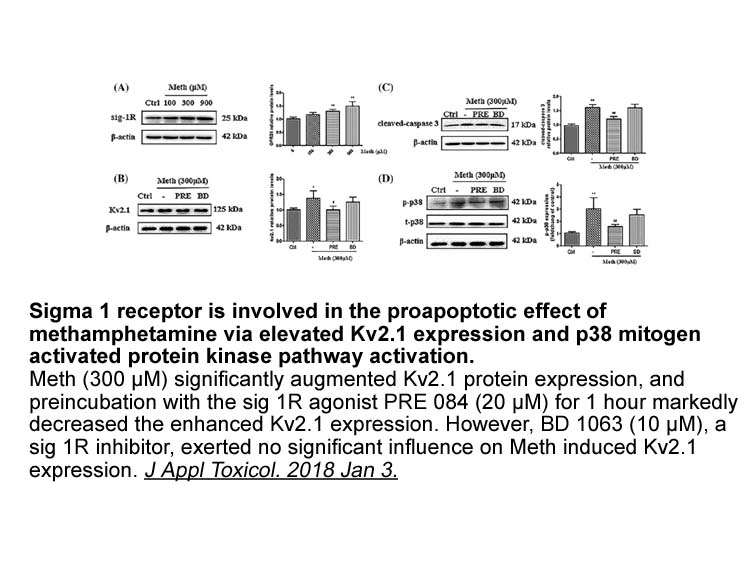
The identification of novel kinase inhibitor scaffolds is highly desirable in order to develop selective kinase inhibitors. Small-molecule inhibitors of Interleukin-2-inducible T-cell kinase (Itk) that are based on the 3-aminopyridin-2-one fragment 1 have been reported. Despite derivatisation of 1 y
-
The co crystal structure of blebbistatin bound to myosin
2024-08-31
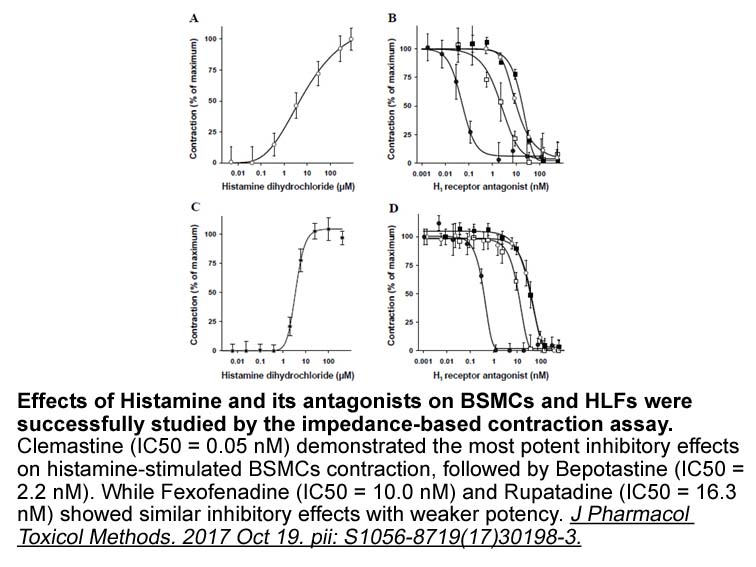
The co-crystal structure of ()-blebbistatin ()- bound to myosin II (PDB: ) was used to scout for possible favorable interactions with the residues lining the binding pocket. Looking at A, we hypothesized that -oriented hydrophilic moieties (e.g. hydroxymethyl) on C of the blebbistatin scaffold migh
-
Recruitment of the Rad BP mediator to chromatin involves
2024-08-31
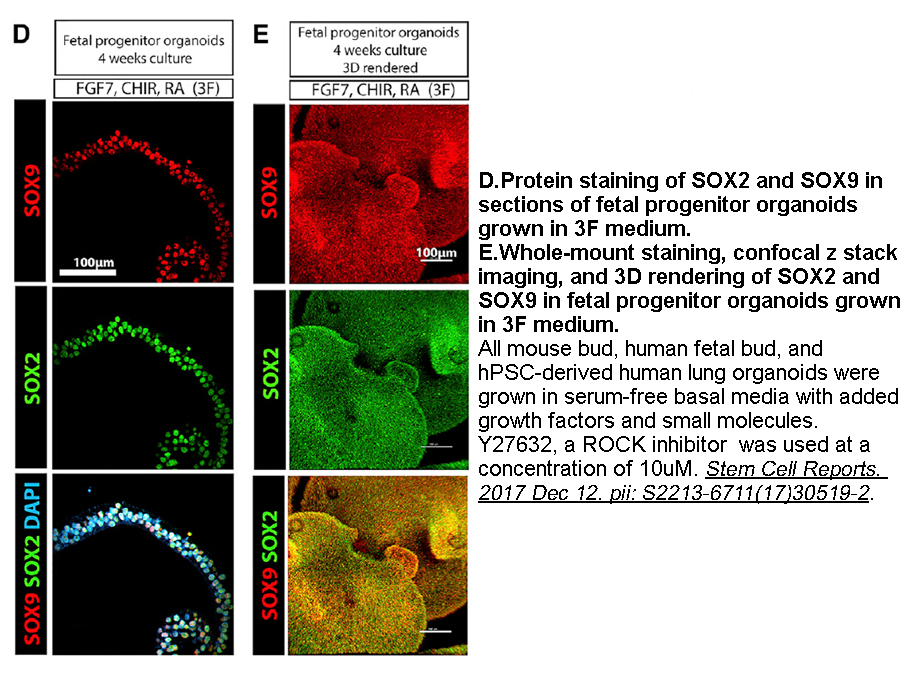
Recruitment of the Rad9/53BP1 mediator to BPTES involves multiple pathways (Fig. 2). In unperturbed conditions, Rad9 is already bound to chromatin via interaction between its Tudor domain and methylated histone H3 at lysine 79 [82], [83], [84], [85]. This constitutive Rad9 recruitment to chromatin
-
br Experimental Procedures Additional information can be fou
2024-08-31
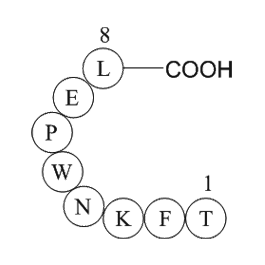
Experimental Procedures Additional information can be found in Supplemental Experimental Procedures. Author Contributions Acknowledgments We thank all members of Lab of Health Chemistry for helpful discussions. This work was supported by Grant-in-Aid for Scientific Research (KAKENHI) from
-
The current literature clearly states that there are
2024-08-31
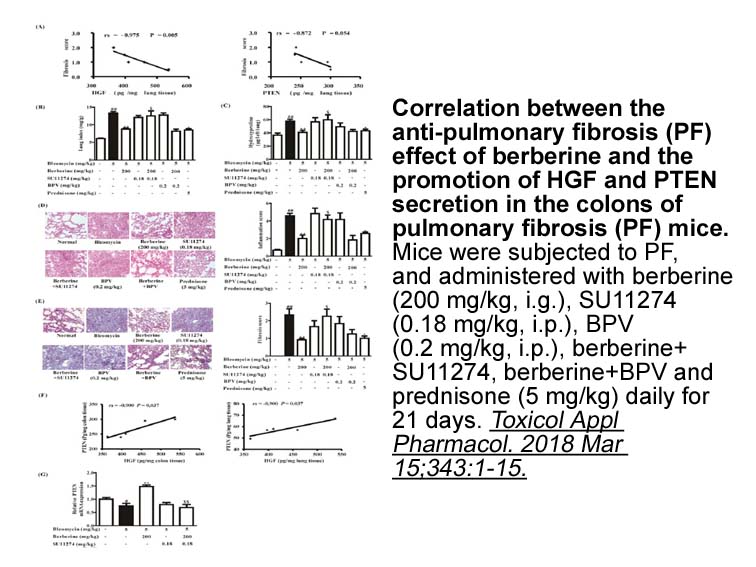
The current literature clearly states that there are no widely adopted standardized methods to determine the total antioxidant capacity of foods or biological samples. One should consider the antioxidant reaction mechanism in system to determine the most appropriate methods for the measurement. It h
-
Using the same techniques we found that UCP
2024-08-31
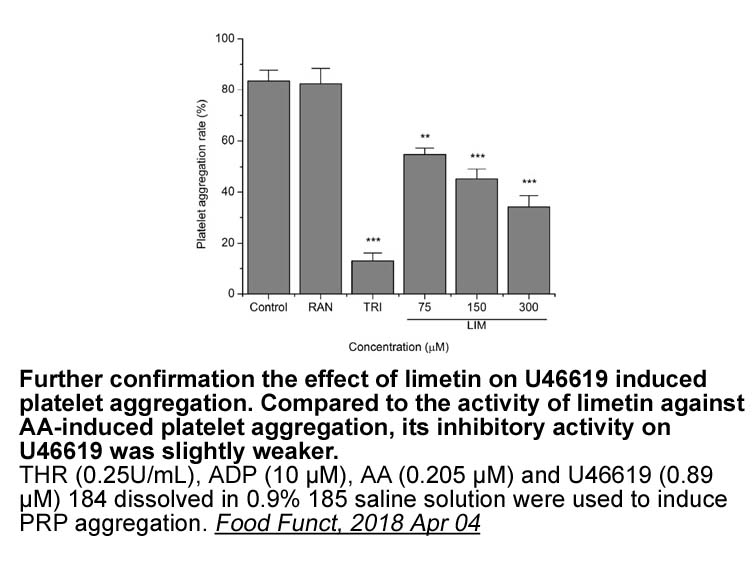
Using the same techniques, we found that UCP3 also has a half-life of between 1 and 4h [117]. In 5,7-dihydroxychromone synthesis to UCP2 and UCP3, UCP1 and ANT had much longer half-lives and could not be degraded in the cell-free reconstituted system, suggesting their degradation is not mediated by
-
br Angiogenesis as a critical event in diabetic
2024-08-31
Angiogenesis as a critical event in diabetic retinopathy Angiogenesis refers to the abnormal proliferation of blood vessels during various pathological conditions. It acquires the stature of being one of the most detrimental events responsible for the progression of diabetic retinopathy. Angiogen
-
We find that the interaction of NSF and SNAP is
2024-08-30

We find that the interaction of NSF and SNAP is critically involved in NMDAR-induced PICK1 unclustering. The binding of SNAP to NSF increases the ATPase activity of NSF, which is known to be essential for the unbinding of PICK1 from GluR2 (Hanley et al., 2002). Disruption of the association between
7384 records 130/493 page Previous Next First page 上5页 126127128129130 下5页 Last page